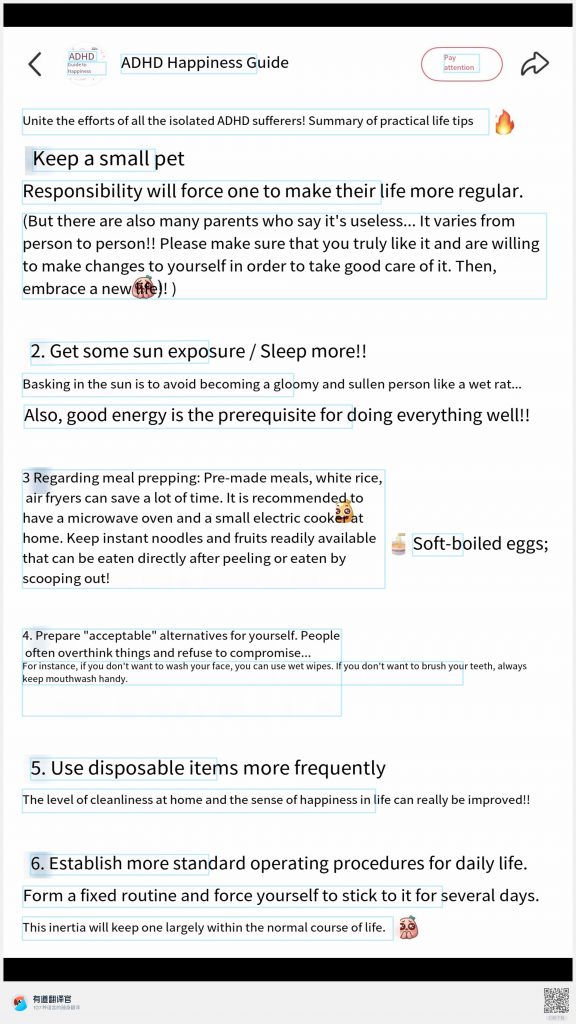
During my research, I came across Qingshan Neuro, a neurodiversity initiative in China. It provides a range of resources related to neurodiversity, including ADHD education and self-advocacy, medical information, personal experiences, practical guides and resources for independent living (Qingshan Neuro, n.d.).
What interested me was that Qingshan Neuro already provides some of the support and reliable information that I originally imagined creating. It also has practical resources such as an adult ADHD screening tool and a medical map that includes information related to adult ADHD services in China.
Looking at this project made me reconsider the direction of my own research.
I realised that I do not necessarily need to create another large ADHD information platform. What I am becoming more interested in is what happens after people already have the information.
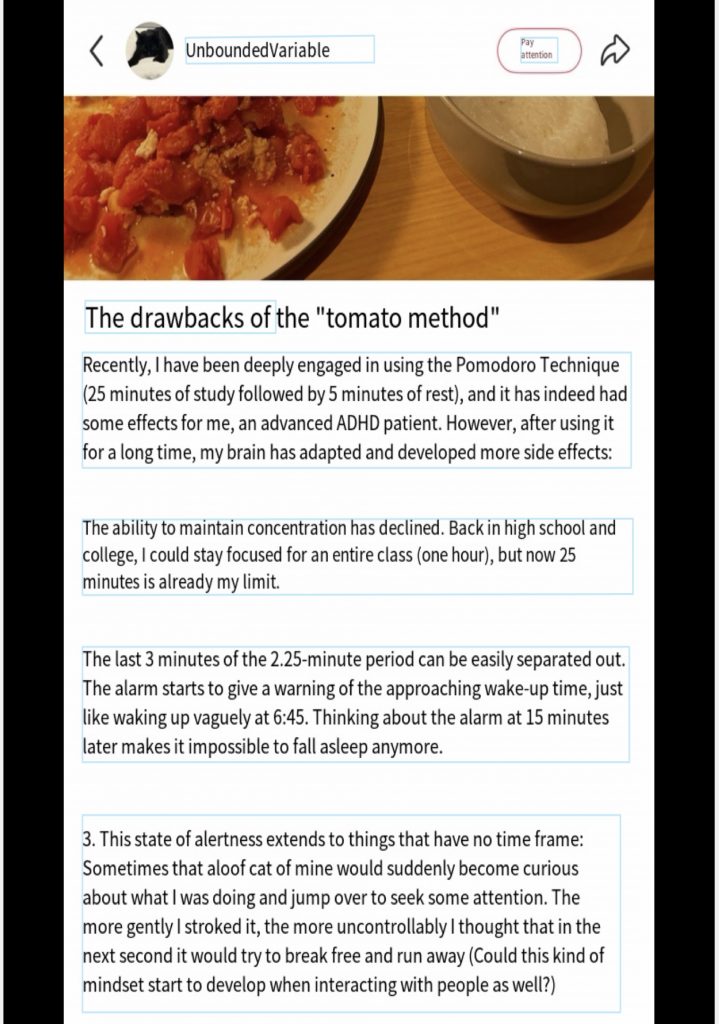
Someone may know about alarms, timers, the Pomodoro Technique or other ADHD strategies, but this does not mean that these methods will automatically work in their everyday life.
So my project is gradually becoming more focused on small everyday difficulties, testing existing strategies in real situations, and adapting them to individual needs.
Looking at Qingshan Neuro helped me understand that an existing project does not necessarily make my own research less relevant. Instead, comparing my work with it helped me see more clearly where my project could be different.
Reference:
Qingshan Neuro (n.d.) Resources Index. Available at: Qingshan Neuro – Resources Index (Accessed: 29 August 2026).
When I started thinking about interventions related to attention and studying, the Pomodoro Technique was one of the first methods that came to mind. The idea is simple and widely discussed: focus on a task for a set period of time, take a short break, and then start again.
So, I tested this method with a participant who often struggled with studying independently.
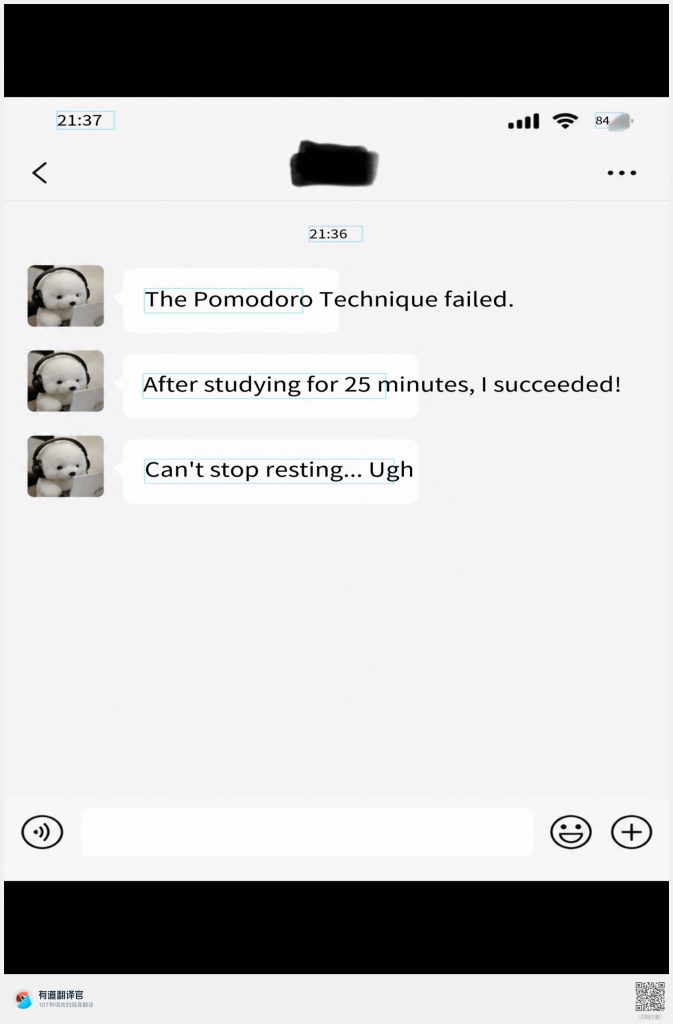
In the first test, she studied for 25 minutes and then took a 5-minute break. The first 25 minutes actually went very well, and she was able to stay focused. However, once the five-minute break began, she found it very difficult to return to studying. In her own words:
In the second test, I removed the compulsory 25-minute study and 5-minute break structure. As long as she continued working on the study task, she was free to choose her own rhythm. During the test, she chose to revise while watching a TV series in the background. This time, she was able to study for much longer and gradually became deeply absorbed in the task.
Of course, I cannot conclude from a single participant that watching TV can improve ADHD. What interested me more was that a method that seemed “correct” did not necessarily work for her, while a less conventional approach actually suited her better in this particular situation.
This made me focus more on adapting strategies rather than simply following them. Perhaps an everyday ADHD strategy becomes truly useful when people are able to adjust it according to the way they actually live and function.
I first became interested in doing an intervention about lateness because of my own experience. I have rarely been late since I was young, so I used to find it difficult to understand why someone could know exactly what time they needed to leave and still end up being late.
However, while interviewing my participants, I found that this was a common difficulty mentioned by several adults with ADHD. They were not necessarily unaware of the time. Sometimes they knew they needed to leave and had even started preparing early, but still struggled to turn that awareness into action.
This made me realise that “knowing the time” and “actually taking action” can be two different things.
Research on adult ADHD also suggests difficulties with time perception and time-based prospective memory — remembering and carrying out an intended action at the appropriate time (Mette, 2023; Altgassen, Kretschmer and Kliegel, 2014).
Research on adults with ADHD suggests that difficulties with time management can contribute to chronic lateness, affecting work and attendance at important appointments. Distraction and becoming absorbed in other activities may also make it difficult to follow an intended schedule (Adamou et al., 2021).
So I decided to carry out a small intervention around lateness.
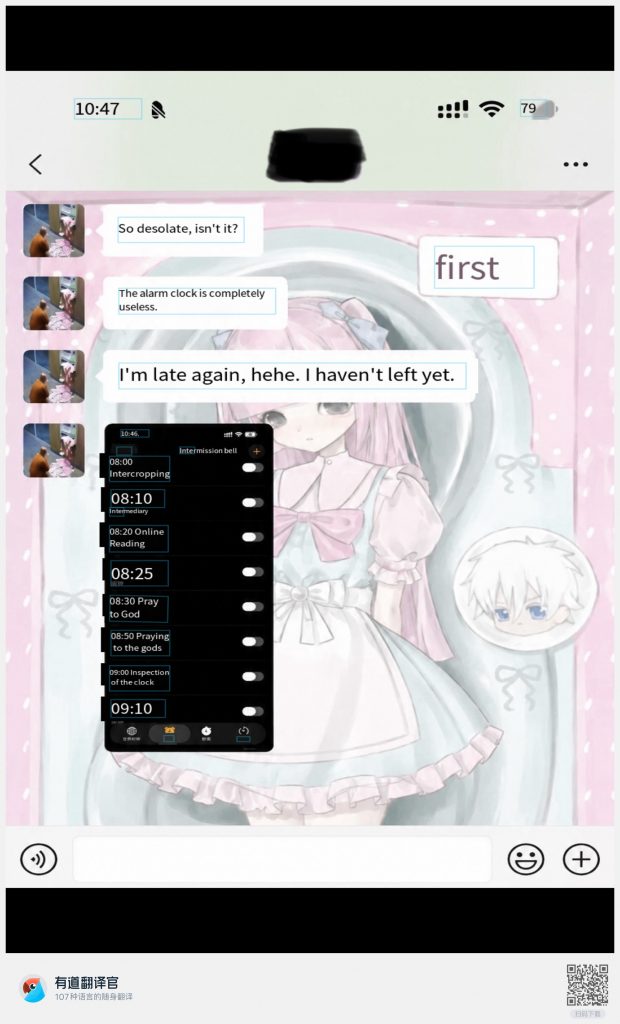
In the first test, the participant needed to leave home before 10:00. We set an alarm every ten minutes from 8:00 to 10:00, hoping that frequent reminders would help her keep track of time. However, she simply dismissed the alarms one by one and still failed to leave on time.
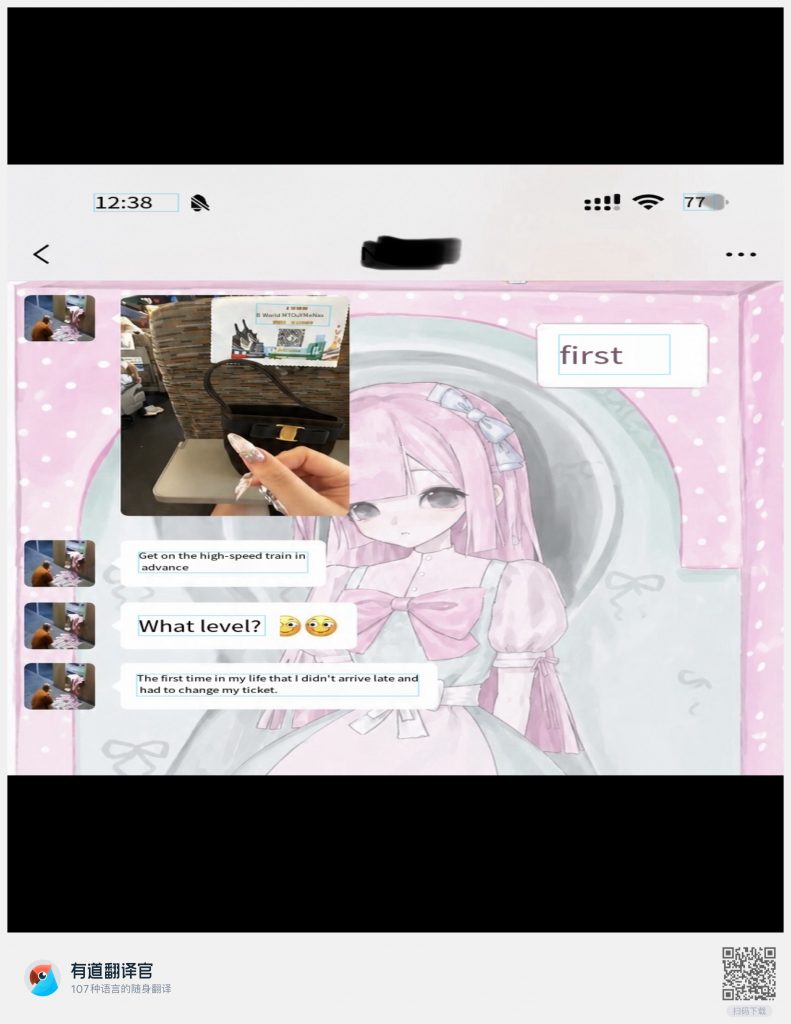
For the second test, I changed the position of the reminder instead of increasing the number of alarms. I placed the alarm beside the front door, so she had to physically walk to the door to turn it off. This time, she successfully left home on time.
She later tried the same method several more times when meeting friends and attending appointments, and it continued to work for her.
Reference:
Adamou, M. et al. (2021) ‘Recommendations for occupational therapy interventions for adults with ADHD: a consensus statement from the UK adult ADHD network’, BMC Psychiatry, 21, 72. doi: 10.1186/s12888-021-03070-
Altgassen, M., Kretschmer, A. and Kliegel, M. (2014) ‘Task dissociation in prospective memory performance in individuals with ADHD’, Journal of Attention Disorders, 18(7), pp. 617–624. doi: 10.1177/1087054712445484.
Mette, C. (2023) ‘Time perception in adult ADHD: Findings from a decade—A review’, International Journal of Environmental Research and Public Health, 20(4), 3098. doi: 10.3390/ijerph20043098.
Through my research, I have started to notice that some very ordinary daily activities can become surprisingly difficult for people with ADHD.
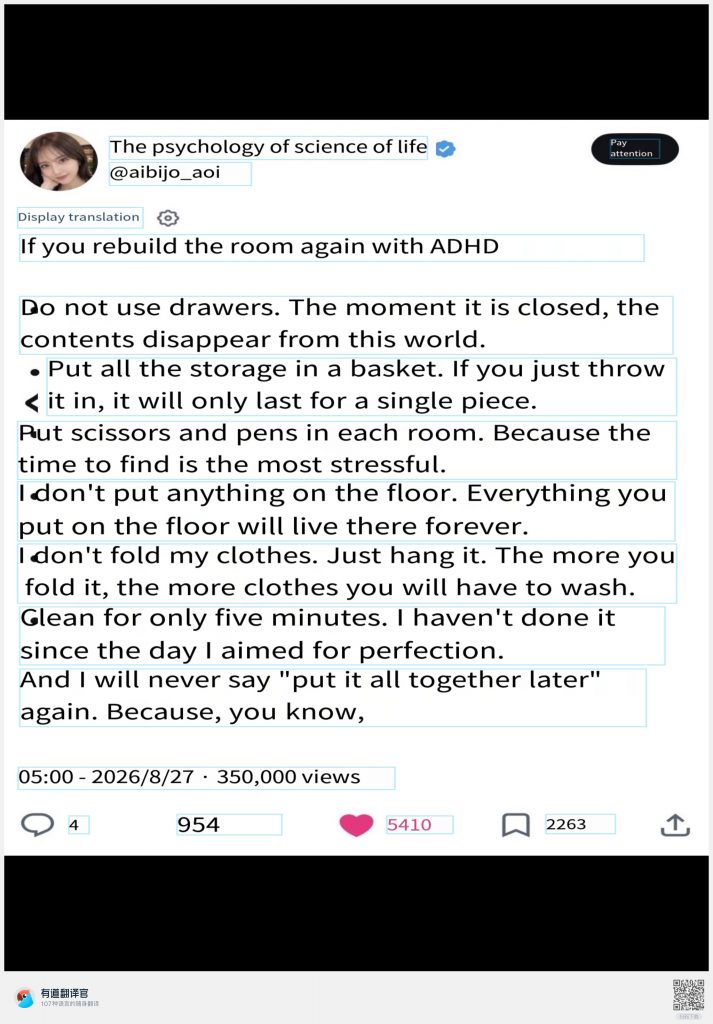
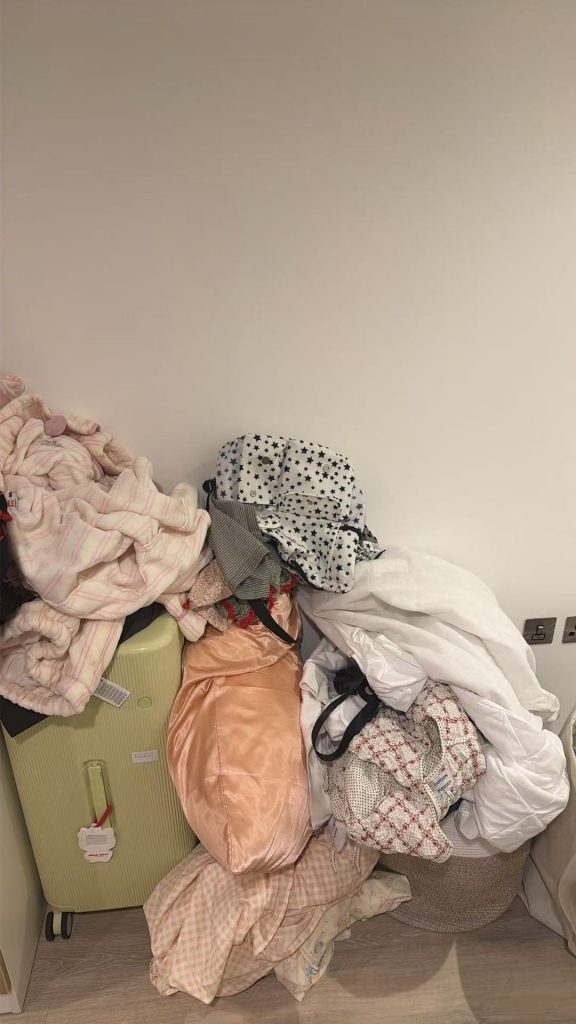
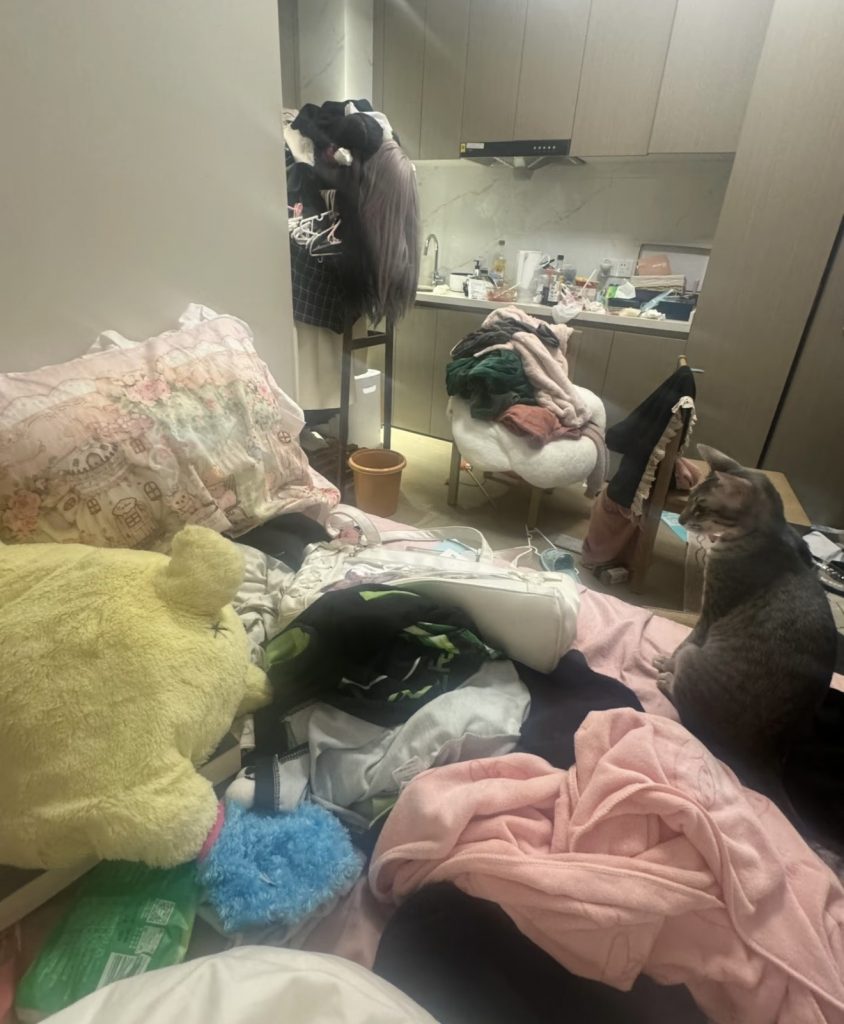
I also spoke with several Chinese adults with ADHD about their everyday experiences. One issue that came up was cleaning and organising their rooms. They knew that the room needed to be cleaned, and sometimes they had already been thinking about doing it for a long time, but actually starting — and continuing until it was finished — could still feel difficult.
Existing research has described similar experiences. Adults with ADHD have reported difficulties managing and completing everyday activities such as housekeeping, even when these tasks may appear simple to other people (Schreuer and Dorot, 2017).
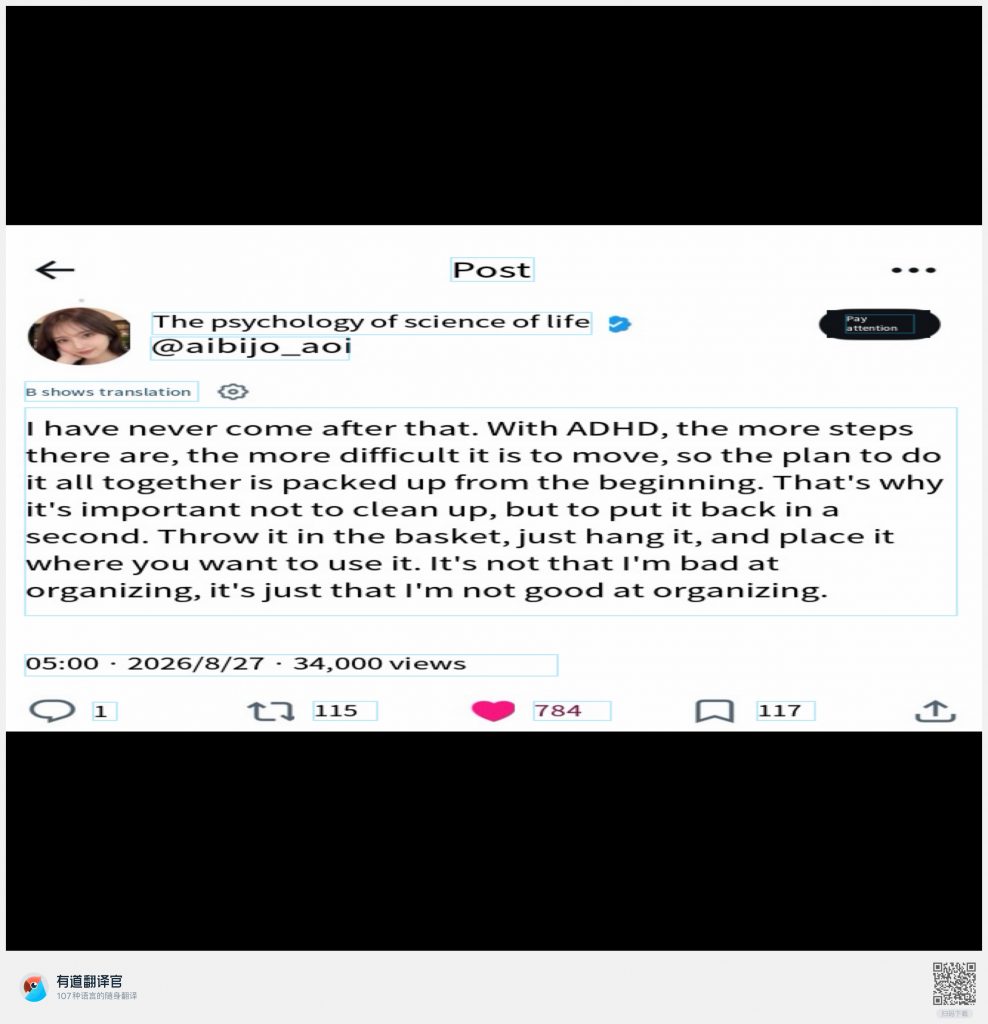
One of the participants I interviewed said that she consciously arranges things in her home in ways that may seem unusual to others but are much more convenient for her. For example, she keeps her skincare products beside her bed because it fits naturally into her daily routine. She also keeps her shampoo next to the bathtub so that she can wash her hair while lying in the bath.
This made me realise how important it can be for each person with ADHD to gradually explore and develop everyday routines that work for them personally. Small adjustments like these can make daily activities more efficient while also making everyday life feel more comfortable.
from my ADHD‑diagnosed participants
Reference
Schreuer, N. and Dorot, R. (2017) ‘Experiences of employed women with attention deficit hyperactive disorder: A phenomenological study’, Work, 56(3), pp. 429–441. doi: 10.3233/WOR-172509.
After completing the questionnaire and finding participants, I looked at some of the everyday strategies commonly recommended for people with ADHD before formally starting my interventions.
Many of these strategies seem quite simple: setting alarms, using timers, making to-do lists, breaking tasks into smaller steps, or following a structured working routine.
Research on compensatory behaviours in adults with ADHD shows that people use different strategies to manage ADHD-related difficulties in everyday life, and the perceived effectiveness of these strategies can vary between individuals (Li et al., 2024).
So I started to wonder: What actually happens when these seemingly useful strategies are applied in someone’s everyday life? Do they really work for adults with ADHD?
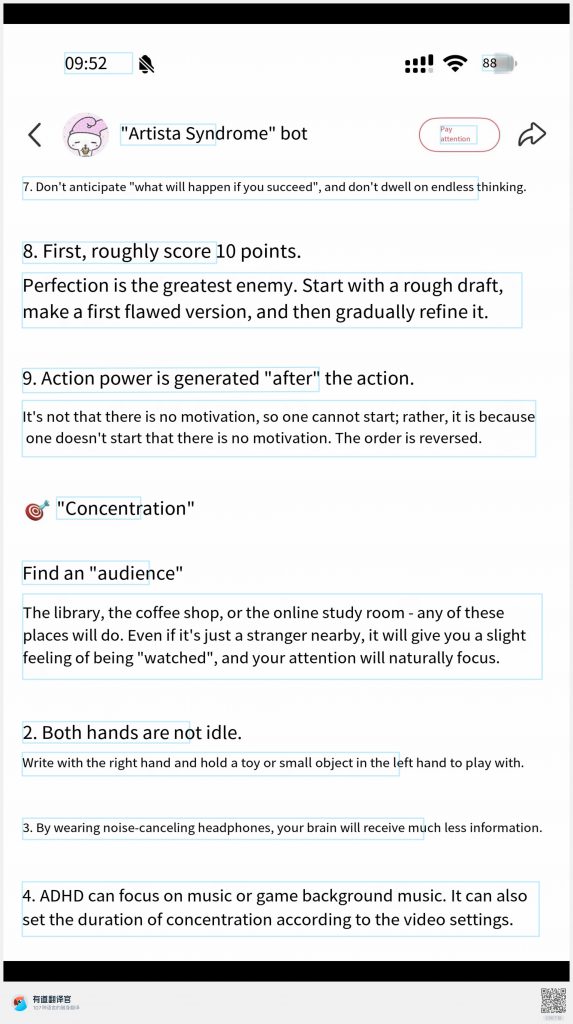
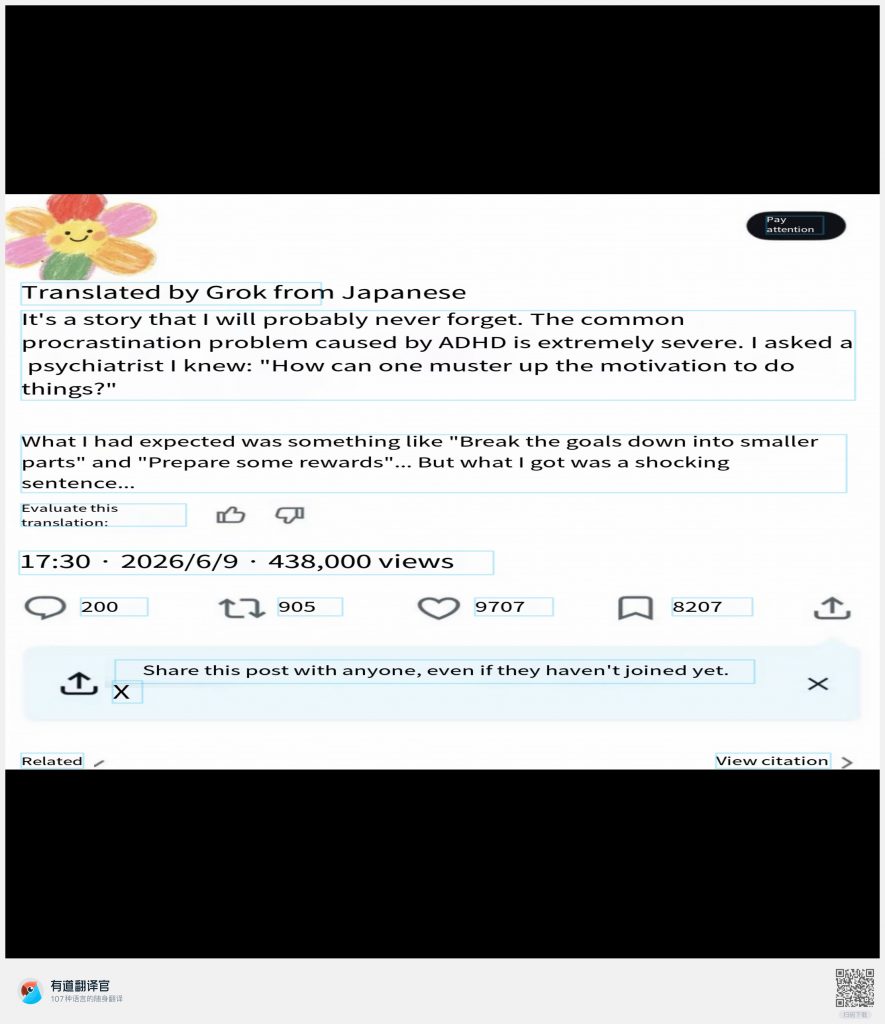
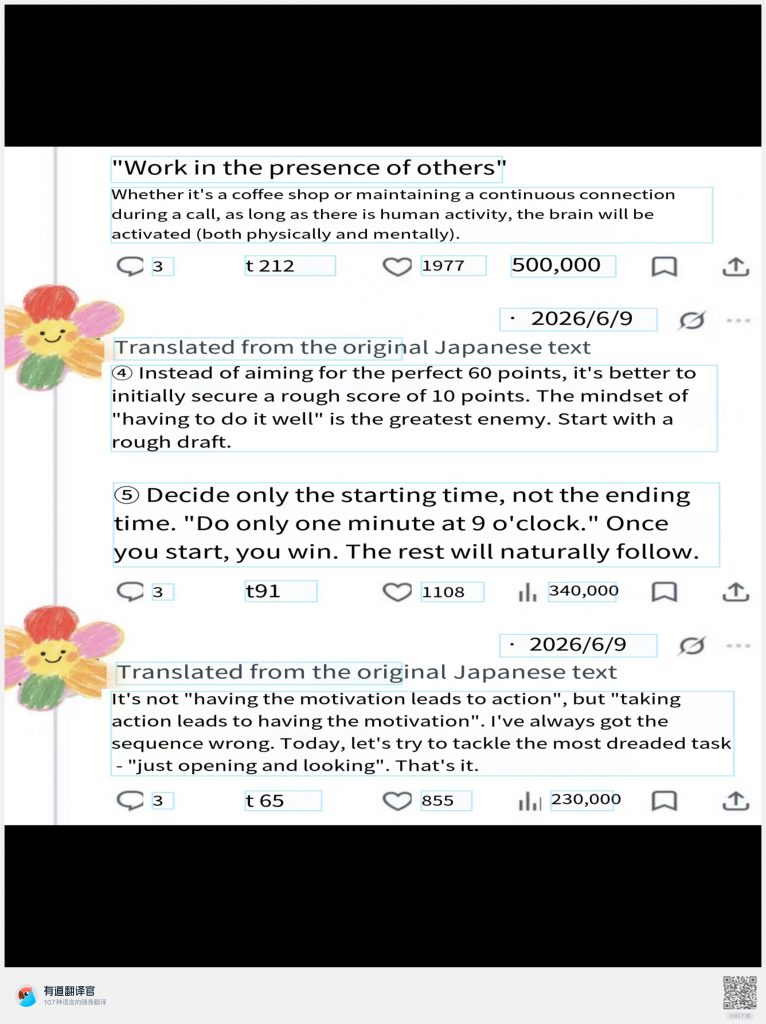
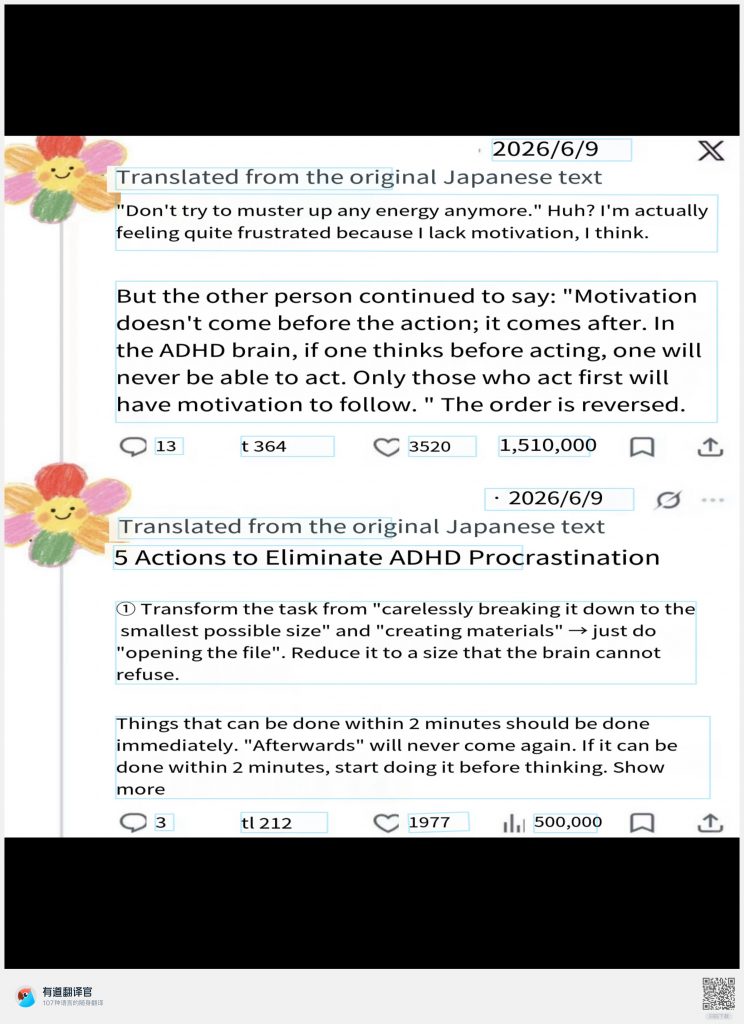
Many ADHD‑ers express similar disagreement with the idea of “reward yourself once you finish the task”.
At July, I kept thinking that I needed to create something big. A platform. A community for ADHD. Recently, my research has almost moved in the opposite direction.
As my research developed, I increasingly realised that the difficulties ADHDers experience in everyday life can be similar, but not exactly the same. Some people struggle to start studying, while others struggle to leave home on time. Even when the problems appear similar, the point where each person gets “stuck” can be different. One common difficulty is task initiation.
This made me pay more attention to task initiation — the difficulty of moving from “I know I need to do this” to actually starting the action. Existing research also links initiation to executive functioning, an area in which adults with ADHD can experience difficulties (Ginapp et al., 2022).
So, rather than looking for one method that could solve every ADHD-related problem, I now want to focus more closely on these small moments of action in everyday
ReferenceGinapp, C.M. et al. (2022) ‘The lived experiences of adults with attention-deficit/hyperactivity disorder: A rapid review of qualitative evidence’, Frontiers in Psychiatry, 13, 949321. Original article
Methylphenidate extended‑release (Concerta) is a first‑line stimulant medication for adult ADHD. It works by blocking dopamine and noradrenaline transporters in the prefrontal cortex, raising synaptic concentrations of these two neurotransmitters and thereby improving executive functions such as sustained attention, impulse control and working memory (Bolea‑Alamañac et al., 2014). Although the drug can relieve symptoms for many diagnosed patients, stimulant‑based pharmacotherapy has notable limitations and risks, which are often under‑represented in online community experience‑sharing.
Common clinical side‑effects include decreased appetite, dry mouth, headache, insomnia, irritability, elevated heart rate and blood pressure, as well as mood lability. A small subset of patients may develop tics or exacerbated anxiety (Food and Drug Administration, 2026). Research findings on stimulant tolerance remain mixed. Systematic reviews suggest that universal long‑term pharmacological tolerance does not occur in all patients. Still, some individuals experience gradual loss of therapeutic effect over months or years, requiring dose increases to maintain symptom control (Handelman & Sumiya, 2022). Once the maximum clinically safe dose is reached, further dose escalation yields no additional benefits, leaving limited pharmaceutical options for these patients. True pharmacological tolerance should also be distinguished from confounding factors including fluctuating stress levels, poor sleep, comorbid anxiety‑depression and developmental symptom changes, all of which may create the subjective impression that “the medication no longer works”.
Stimulants are controlled psychotropic substances and must be prescribed and monitored by qualified psychiatrists. Self‑medication, unsupervised dose increases and off‑label use carry risks of dependence and cardiovascular harm. Medication cannot cure ADHD. International clinical guidelines consistently recommend combined pharmacotherapy and cognitive‑behavioural interventions rather than medication‑only management (Kooij et al., 2019).
ADHD is a neurodevelopmental disorder, instead of a problem caused by poor willpower or laziness. To date no single definite cause has been established; the condition arises from the interaction of genetics, brain circuit features and neurotransmitter regulation (Chinese Society of Psychiatry, 2023).
Neuroimaging studies show relative developmental delay in the prefrontal cortex among ADHD populations. This brain region governs executive functions: sustained attention, impulse inhibition, working memory, planning and delayed gratification. Dysfunction within prefrontal‑striatal circuits weakens top‑down regulatory capacity, resulting in distractibility, impulsivity and difficulty completing long‑term tasks (Shaw et al., 2007).
At the neurotransmitter level, ADHD is characterised by dysregulated dopamine and noradrenaline systems, rather than simply insufficient dopamine. Abnormal transporter‑mediated re‑uptake prevents stable neurotransmitter concentrations within prefrontal synapses. During dull, low‑reward tasks, the brain fails to generate sustained neural signals for concentration, while highly stimulating, instantly rewarding stimuli readily capture attention (Arnsten, 2006).
This basis explains the therapeutic effect of stimulants such as Concerta. By inhibiting dopamine and noradrenaline transporters, stimulants reduce neurotransmitter re‑uptake and temporarily elevate synaptic transmitter levels in the prefrontal cortex to enhance executive performance (Arnsten, 2006). However, medication only adjusts short‑term neurochemical conditions; it cannot repair developmental circuit deficits in the brain. Symptoms therefore return after drug discontinuation, which accounts for why ADHD cannot be cured by medication alone.
I would like to change my research topic. My previous research question was:How can support young adults aged 18–26 in understanding the desires behind their decisions and choose their lifestyle when navigating uncertainty?The key themes of this project were inner self-exploration, desire, decision-making, lifestyle and the future.
During the research process, I realised that this question was too broad and not specific enough. I also did not have a deep personal connection with the topic, which made it difficult for me to continue developing and moving the research forward.
My new research question is:How can Chinese adults with ADHD be supported in navigating challenges associated with ADHD and developing lifestyles that suit them?This new question has a more specific research group: Chinese adults with ADHD. The project will still focus on inner self-exploration, lifestyle and the future, but this topic is more personally relevant to me.
What is ADHD?
(Attention Deficit Hyperactivity Disorder)
ADHD is a disorder that is identified through patterns of behaviour. People with ADHD may show ongoing patterns of inattention and/or hyperactivity and impulsivity. These patterns can affect their everyday functioning and development.(ADHD UK, n.d.)
What causes ADHD?
There is no single cause of ADHD. Research suggests that ADHD may be connected to differences in brain development, especially in the prefrontal areas that are related to executive functioning. Differences in dopamine and norepinephrine signalling are also considered important possible factors.(American Psychiatric Association, 2022)
The Situation of Adult ADHD in China
In China, there is still a large gap between research and treatment related to ADHD and the situation in many Western countries, especially regarding adult ADHD. China only introduced its first standardised clinical guidance specifically for adult ADHD in 2023, while the UK had already introduced relevant guidance in 2008.(Chinese Society of Psychiatry and Chinese Psychiatrist Association, 2023)
This means that there are still many gaps in the research and treatment of adult ADHD in China. Both medical professionals and the general public may have limited knowledge and understanding of adult ADHD. People with ADHD, as well as people who may have ADHD but have not been diagnosed, may not receive effective support or treatment and often experience misunderstanding.
Research Gap: Difficulties in Diagnosis
Firstly, it can be very difficult for adults in China to receive an ADHD diagnosis. Many hospitals do not have separate services for adult ADHD. Adults may even be required to visit paediatric departments. In addition, some doctors may not have enough professional knowledge about adult ADHD.
Some people still believe that ADHD only affects children or that people cannot have ADHD if they are able to live without intervention. ADHD may also be treated as an excuse for avoiding responsibilities rather than being understood as a real condition. Adults may spend a long time trying to receive a diagnosis.
In China, public understanding of ADHD is still limited, and many common ideas are inaccurate or negative. Some ADHD-related behaviours are often understood as laziness, poor self-control, weakness or an inability to concentrate. Many people with ADHD have received these kinds of comments throughout their lives.
However, ADHD is a disorder rather than a personality trait. Many people who may have ADHD spend years believing that these difficulties are only personal problems. They may feel shame and guilt and therefore delay seeking professional support or treatment.
Several adult participants described having long-term difficulties with attention, completing plans, emotional regulation and ongoing procrastination since childhood. Their family members, friends and teachers often described these behaviours as “laziness”, “a lack of self-discipline” or “weak willpower”.After entering university and the workplace, external structures and support became less available. The negative effects of executive functioning difficulties became more visible. They often struggled to complete work tasks, maintain long-term plans and organise their daily lives. Many also experienced long-term insomnia and ongoing anxiety.When they went to hospitals to seek a diagnosis, they faced several barriers. There were limited specialist services for adult ADHD in China. Some psychiatrists continued to believe that ADHD only affects children and disappears in adulthood. Some doctors also rejected the possibility of ADHD because the person had entered university or completed their education. Many people had to visit several hospitals and spend years searching for a diagnosis before finally receiving one.(Guangming Daily, 2026)
The Popularity of ADHD on Social Media
It is also important to notice that discussions about ADHD have become very popular on social media in recent years. However, ADHD is sometimes treated like a fashionable identity or a popular label. Some people like to describe themselves as having ADHD without understanding the condition.
On Chinese social media, people with ADHD are sometimes described as being creative and imaginative. These characteristics are seen as unusual, interesting or “cool”. At the same time, some people use ADHD as an excuse for procrastination or avoiding responsibilities. For example, they may say, “I do not want to go to work today because my ADHD is acting up.”
There are also many posts that say things such as, “If you have these symptoms, you have ADHD.” However, the more accurate understanding is that ADHD symptoms may appear in certain ways, but having some similar experiences does not automatically mean that someone has ADHD.
On Chinese social media, ADHD has gradually become an identity label that can sometimes be treated like a fashionable product. Online content often highlights positive characteristics while avoiding the serious difficulties that ADHD may cause in everyday life, such as problems with eating independently or maintaining a regular routine.Many people are interested in simple online self-tests but ignore the fact that ADHD requires professional assessment. The experiences and difficulties of people with ADHD may become simplified or treated as entertainment.These misunderstandings can also influence offline life. People may develop limited ideas about ADHD through short videos and continue to judge people with ADHD as “lazy” or lacking self-control. Online discussions can become divided: some people strongly identify with the ADHD label, while others believe that every ADHD-related explanation is only an excuse. This may further strengthen social stereotypes.People who genuinely need diagnosis and treatment may struggle to find appropriate support, while people without clinical symptoms may easily follow online trends and identify with the label. This situation may also make diagnosis more difficult. Some doctors may become more doubtful about adult patients’ experiences, which can create further barriers to receiving support.
However, we should not completely deny the positive value of social media. Online discussions have brought adult ADHD, which was previously less visible, into public attention. They have also helped many people who have experienced difficulties for years realise that their experiences may have a medical explanation.
However, the current media environment still lacks enough professional guidance. Unbalanced, incomplete and inaccurate information can become more visible than professional information. These narratives may ignore the real difficulties experienced by people with ADHD. Therefore, the negative effects may currently be greater than the positive effects.
Limited Treatment and Everyday Support
People with ADHD not only have to deal with public misunderstanding and inaccurate information on social media, but they also have limited access to practical support. In many cases, the main treatment available in hospitals is medication. However, everyday self-management and adjustments are also very important.
However, these everyday adjustments can be difficult for people with ADHD. In China, there are still very few professional guides about how adults with ADHD can manage their daily lives. Reliable and useful information is limited. There are also very few authoritative public education resources or well-developed communities.
I have seen many people with ADHD on different social media platforms expressing a need for a place where they can access reliable information, discuss their experiences and support each other.
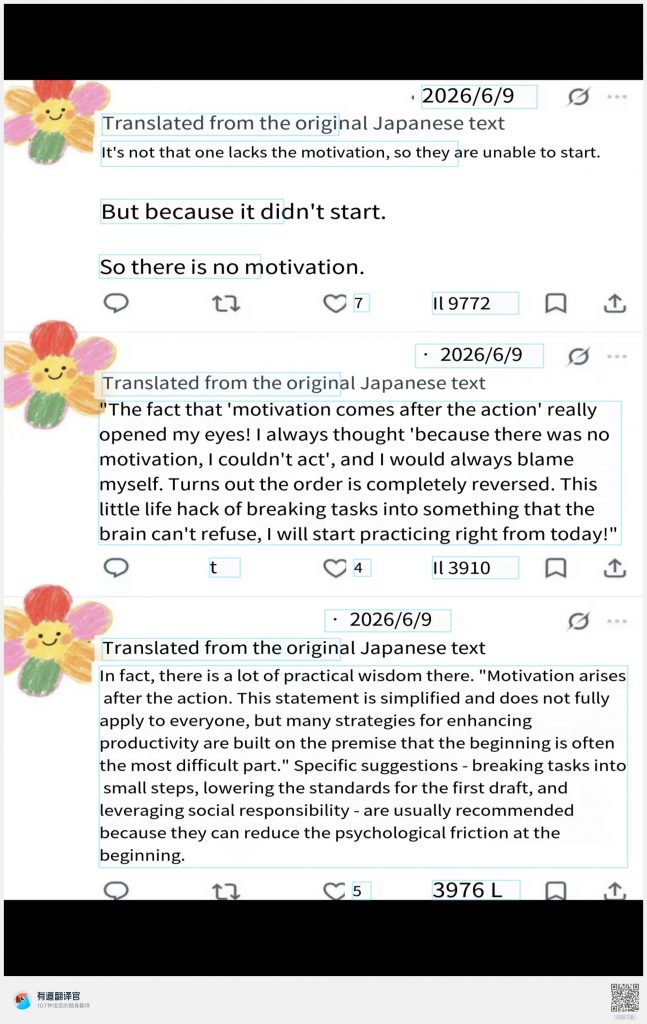
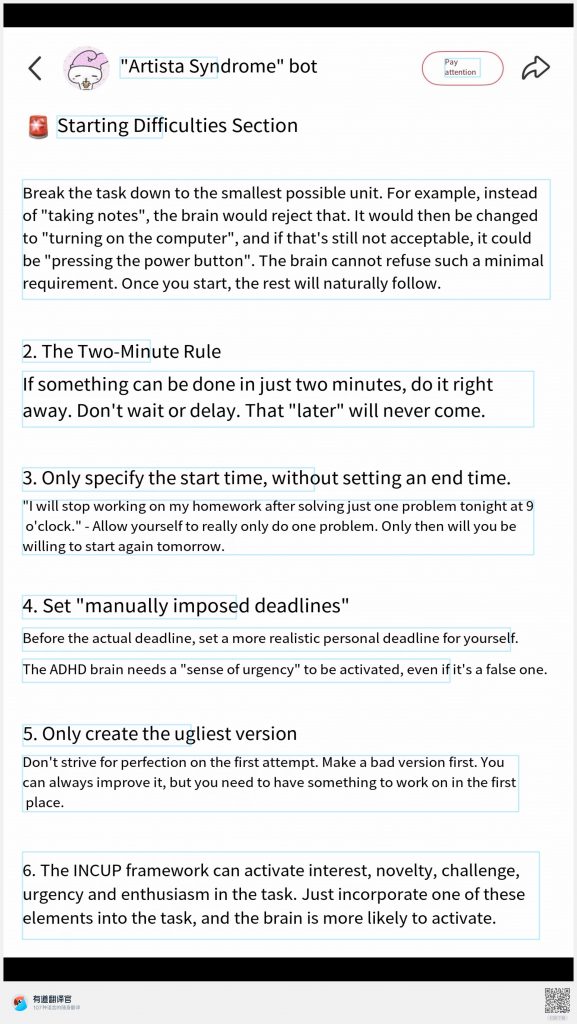
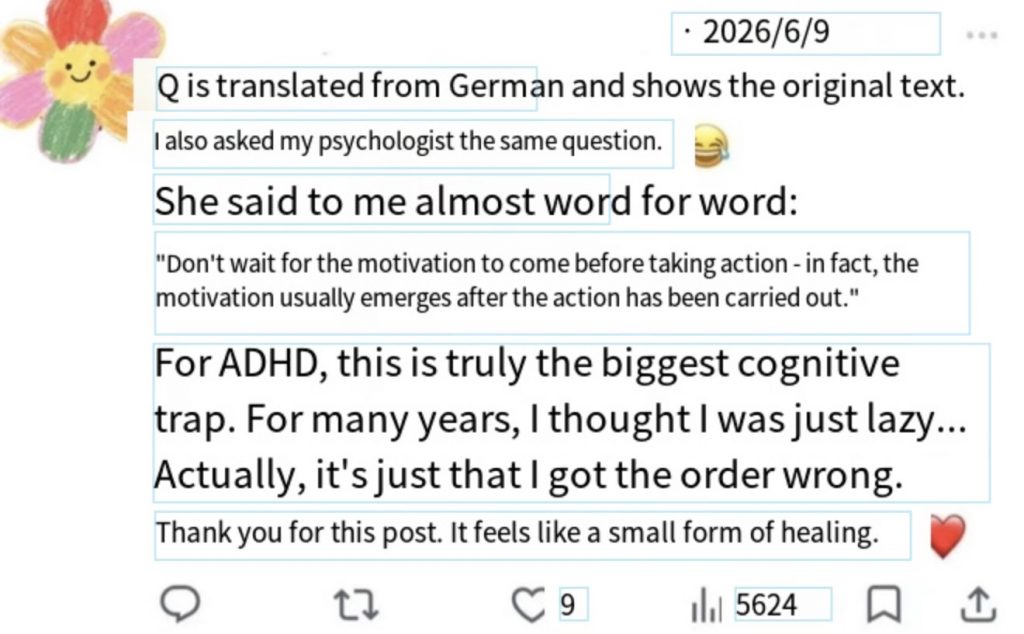
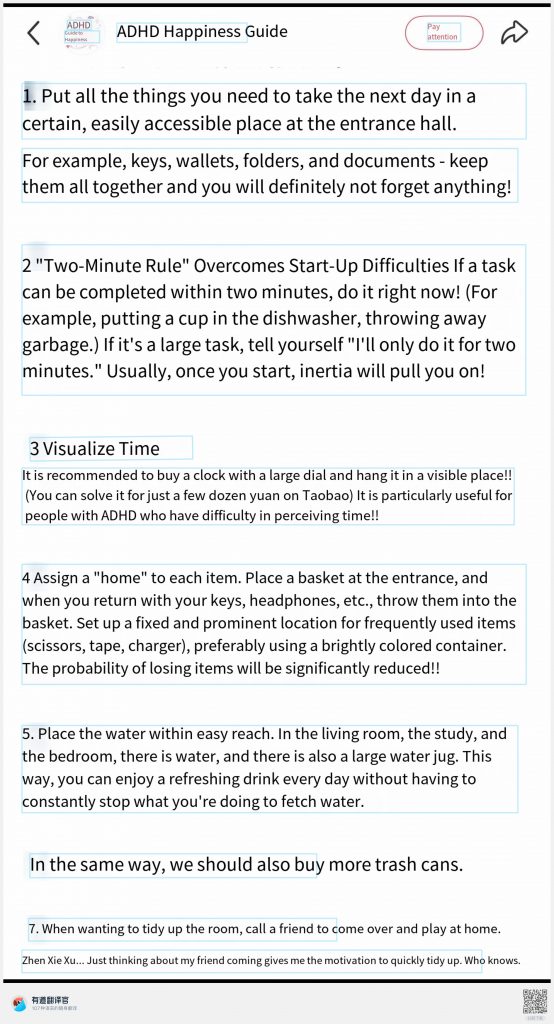
Eventually, I found several small posts on social media such as RedNote. People with ADHD were supporting each other and sharing practical ways of managing ADHD-related difficulties. For example, they discussed how to eat and shower regularly, how to stay focused while studying or working, and how to encourage each other.
These problems may appear basic, and the online communities are small, but the shared experiences can be very useful because they are based on real situations and are suitable for the people involved. The atmosphere in these spaces can also feel warm and supportive.
However, there are also problems. Some people who give advice may not have ADHD themselves. They may offer suggestions that are not useful or assume that a simple solution will work for everyone. This can create further confusion or pressure.
Why an ADHD Community May Be Important
There may be many people in China who have ADHD-related experiences but have not been diagnosed. There are also many inaccurate ideas, stereotypes and misunderstandings. However, the number of people who have received a diagnosis and started treatment is still limited.
People with ADHD may experience similar symptoms and face similar difficulties. They may also find it easier to understand each other. Within a focused community, they could share experiences, support and encourage each other, and discuss practical ways of managing everyday life.
This may make it easier to identify useful information and create a stronger sense of belonging. It may also support people in exploring lifestyles that are more suitable for them.
Personal Motivation
As a person with ADHD, I have a clear and personal understanding of the internal and external difficulties experienced by this group. I also experience both ADHD and anxiety. For me, the most difficult part is not continuing an action, but starting it.
Even when I really want to start, I always have many ideas in my mind and many things that I want to do. I want to face these difficulties with a positive attitude. However, sometimes my body feels as if it is locked. I cannot take action or begin, even when the task is very simple.
For example, I may find it difficult to follow a simple instruction such as taking a shower. Sometimes I cannot even complete activities that I am interested in, such as playing games. This makes it even more difficult to begin tasks that are important or stressful to me, such as attending classes, completing assignments or carrying out research.
I know that once I begin, many things are not as difficult as I imagined. However, I still find it very difficult to take the first step.
Over time, this internal conflict has placed me in an ongoing negative cycle. My thoughts and my body sometimes feel separate. I want to take action, but I cannot make myself do it. I feel that I cannot control my own body. This is very painful and has caused me to develop negative feelings towards myself. These feelings become even stronger when my difficulties affect other people.
Because I understand how seriously ADHD can affect people’s lives, I do not want more people to experience similar difficulties without receiving effective support. I also do not want people with ADHD to feel alone.
This project is therefore very important to me. ADHD is something that may continue throughout my life. Whether I am studying or working in the future, ADHD may bring both creativity and imagination, as well as difficulties. I hope that I can learn to create a better balance between these different experiences.
My Intervention
As I mentioned before, I plan to create a community for people with ADHD. In this community, people could support and encourage each other. It could also provide information for people who may have ADHD but have not yet received a diagnosis.
At the moment, I have mainly carried out one-to-one interventions. For example, I have had individual conversations with my stakeholders, who also have ADHD. We shared our experiences and suggested practical methods to each other.
For example, one person told me that she found it difficult to leave home on time. Based on my own experience, I suggested placing her alarm near the front door. This would require her to walk towards the door to turn it off and could make it easier for her to leave home. This intervention was useful for her.
Another example was related to my blog. I have to complete it, but I could not control my attention or begin working. Another person with ADHD suggested that I take my iPad to a public place. I then completed my whole blog in a café.
When I look back, although my blog may still have many problems, this intervention was successful for me. At least I was able to take action. It also gave me a sense of self-worth and helped me build the confidence and motivation to continue with my next stage of research.
Research suggests that ADHD peer-support interventions can provide unique emotional support, practical experiences that are relevant to participants, and support for behavioural change. They may be a valuable form of support alongside medication and clinical psychological treatment.(Frontiers, 2025)
Sharing experiences within a group of people with similar experiences may help individuals understand that their difficulties are not only personal problems. It may reduce feelings of loneliness and internalised shame and help to reduce anxiety and depression related to long-term self-blame. This may create a more positive psychological cycle.(Frontiers, 2025)
Next Intervention
Unlike the content on RedNote, this community would not be designed for everyone. It would focus specifically on people with ADHD. It would also be more than one-to-one conversations.
I hope to develop a focused ADHD community where people can share their experiences and outcomes.
For example, they could discuss questions such as:
Does this method work for most people?
Why does it work or not work?
Are there any better ways to manage this difficulty?
References:
ADHD UK. (n.d.) About ADHD. Available at: https://adhduk.co.uk/about-adhd/ (Accessed: 31 July 2026).
American Psychiatric Association. (2022). Diagnostic and statistical manual of mental disorders (5th ed., text rev.). American Psychiatric Association. Available at: https://doi.org/10.1176/appi.books.9780890425787
Chinese Society of Psychiatry and Chinese Psychiatrist Association (2023) ‘Expert consensus on the diagnosis and treatment of adult attention deficit hyperactivity disorder in China (2023 Edition)’, Zhonghua Yi Xue Za Zhi, 103(28), pp. 2133–2144. doi: 10.3760/cma.j.cn112137-20230322-00457.
光明网 (2026) 被忽视的成人多动症. Available at: http://health.gmw.cn/2026-01/21/content_38563916.htm
Li, Y. (2025) Understanding ADHD in the Age of Social Media: A Qualitative Study on User-Generated Narratives and Public Perceptions in China. International Media Journal. Available at: https://soapubs.com/index.php/IMJ/article/download/807/788/2489.
Frontiers (2025) Scrolling for support: informational, emotional, and social support in adult ADHD Facebook groups. Frontiers in Psychiatry. Available at: https://public-pages-files-2025.frontiersin.org/journals/psychiatry/articles/10.3389/fpsyt.2025.1755437/pdf.